Conspiracy Theories, Social Media, and Gen Z America
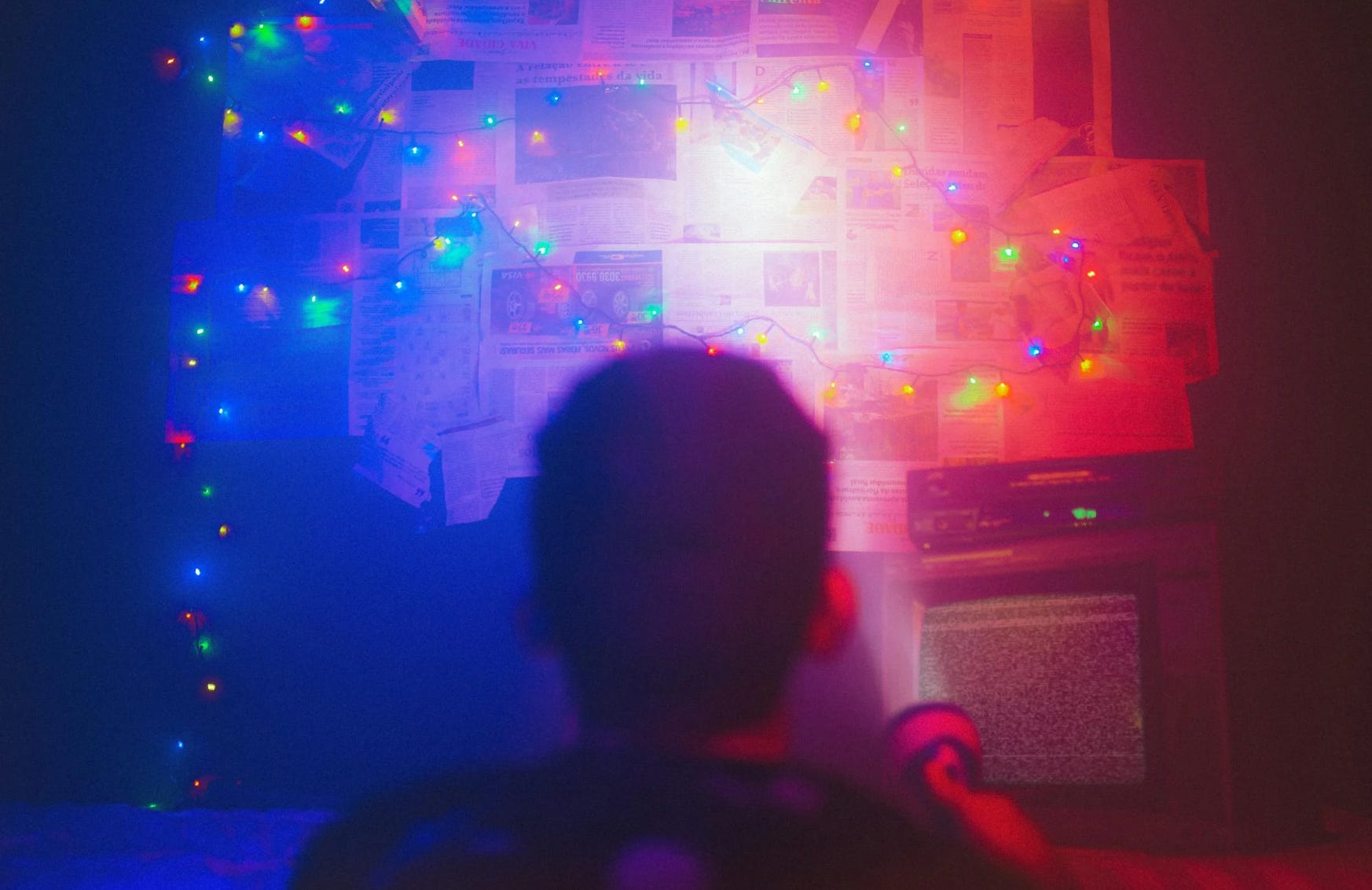
In recent years, there has been a noticeable rise in the amount of political conspiracies among Generation Z. Whether it’s the resurfacing of the old or the peddling of new ones, social media has changed the way Gen Z interacts with information, government, and well, everything. As a member of Generation Z myself, I’ve noticed this rise and feel a bit uneasy about our future.
Take the flood of theories in the wake of the Epstein Files release back in January. If you’re at all familiar with conspiracy theories, then Alex Jones is a household name. He’s been talking about a cannibalistic, satanic ring of pedophiles for decades. As you can imagine, the Epstein Files have rehashed these ideas and, in many people’s eyes, confirmed what Jones had been saying all along. Many of these theories also harken back to Pizzagate and QAnon, with Jones’ and others’ continued propagation on social media. Even some of my friends have said that the Epstein Files open the door for many theories they would’ve dismissed just a few years ago. That’s scary.
Then there’s the flood of theories surrounding recent assassinations and attempts. Starting with the then Republican Nominee Donald Trump’s would-be assassin, Thomas Crooks. Many speculate that it wasn’t the bullet that hit the president’s ear, but a glass shard from the impact of the bullet hitting something else. Others drew connections to Israeli Mossad agents, or even accused leftists of planning the affair. There are even those that cast blame on the president and the conservative party itself, posing the idea that the whole event was a staged attempt to win more votes.
Of course, I’d be remiss if I didn’t mention Charlie Kirk and his assassination at the hands of Tyler Robinson. On social media, videos of bullet tracking analysis argue that Robinson never fired the bullet, as the real assassin was standing in the crowd with a remote-controlled, gerry-rigged wrist gun waiting to fire on a hand signal given by one of Kirk’s personnel—making it a massive inside job. Others speculate that Israel is to blame (this is a common theme). Many of these conspiracies are peddled by Mr. Kirk’s former friend and conservative commentator, Candace Owens, who, in the wake of his death, maintained that Robinson did not act alone. Digging deeper, conspiracies about Erika Kirk, Mr. Kirk’s grieving widow, ran rampant as she reportedly acted “off” in later interviews and events. She directly addressed Mrs. Owens and her theories, urging her to “Stop. That’s it. That’s all I have to say. Stop,”. Mrs. Owens responded by claiming that she would not back down from the truth. Famous streamer and personality Druski recently capitalized on the conspiracies of Mrs. Kirk as an odd, evil figure by dressing up as her and mocking her appearance, mannerisms, and faith. His skits got hundreds of millions of impressions on social media.
Lastly, we can’t forget the murder of the CEO of United Healthcare, Brian Thompson. While people argued whether the family man deserved to be murdered, an obviously ridiculous debate, others theorized that the man captured and held in custody was not the same person who killed the CEO in the street video that was circulating. They argue that side-by-side comparisons of photos of the perpetrator, Luigi Mangione, and the man that shot the CEO reveal differences in facial features, specifically in the eyebrows.
Conspiracy theories are not new by any means. They have been part of the American zeitgeist since JFK and the moon landing. However, with social media’s instantaneous proliferation of material, as well as the easy creation of so-called “echo chambers” (isolated algorithmic communities), they are becoming more deranged and more common. These algorithmic pockets have begun to easily radicalize young Americans.
I’ve only discussed a few recent theories here…but there seems to be an infinite amount constantly out on social media. These range from COVID-19 conspiracies to federal election fraud to deep-fakes or an AI takeover. These countless ideas spread like wildfire, gaining serious traction.
One thing to make clear: we absolutely should not blindly follow and agree with our government, popular media, or all the things we’re told to believe. Some of this country’s most valuable reforms stem from questioning and directly disobeying our government and popular media. The First Amendment grants us this right, but just like screaming fire in a crowded theater, there’s a point where it becomes harmful. The successful movements of change in this country: such as civil rights in the 60s, universal suffrage in the early 1900s, or abolition in the 1800s, were built on strong ethical and legal grounds. These conspiracies and online movements can hardly be equated with these, lacking major standing and real evidence.
With each of the theories I covered, the evidence is usually faulty, highly subjective, slim, and widely inconclusive. This is unlike past reasons we’ve had to distrust our government or media reporting. In this modern age, where everything is videoed, and millions of people analyze every angle of any given event, it’s not surprising that conspiracies are more plentiful than ever. However, that doesn’t mean they have any more credibility than before. Social media works by paying the creators of videos that draw the most attention, so it’s in a creator’s interest to make the most interesting product, not the most truthful one. Don’t believe the first thing you see or read, especially on social media. Maybe a conspiracy is intriguing, and you really want to know more—fine, now actually do your own research and find a plausible explanation.
I seriously doubt Israel tried to kill President Trump; he’s their biggest ally. I also seriously doubt a wrist contraption killed Charlie Kirk…because we have footage, confessions, and direct evidence that put Robinson at the scene of the crime and as the perpetrator. Is it possible that these conspiracies have some real substance to them? Maybe. Maybe not. What’s important is to stay informed, and to not let a random TikTok radicalize you. It’s good to be skeptical, but blatant ignorance and echo-chambered conspiratorial shielding are destructive. Over time, this erodes the trust we need in each other, the government, and the media reporting we have as a unified democratic republic. It’s not surprising that so many of these mass shootings are at the hands of social-media conspiracy-fed, radicalized Zoomers.
And, if you really do buy into these theories, don’t abandon the system–help change it. Vote, demonstrate, and talk to others. That’s always been our right, so use it.