Manchester City Football Club: The Billion-Dollar Offside
By: Zach Moudi
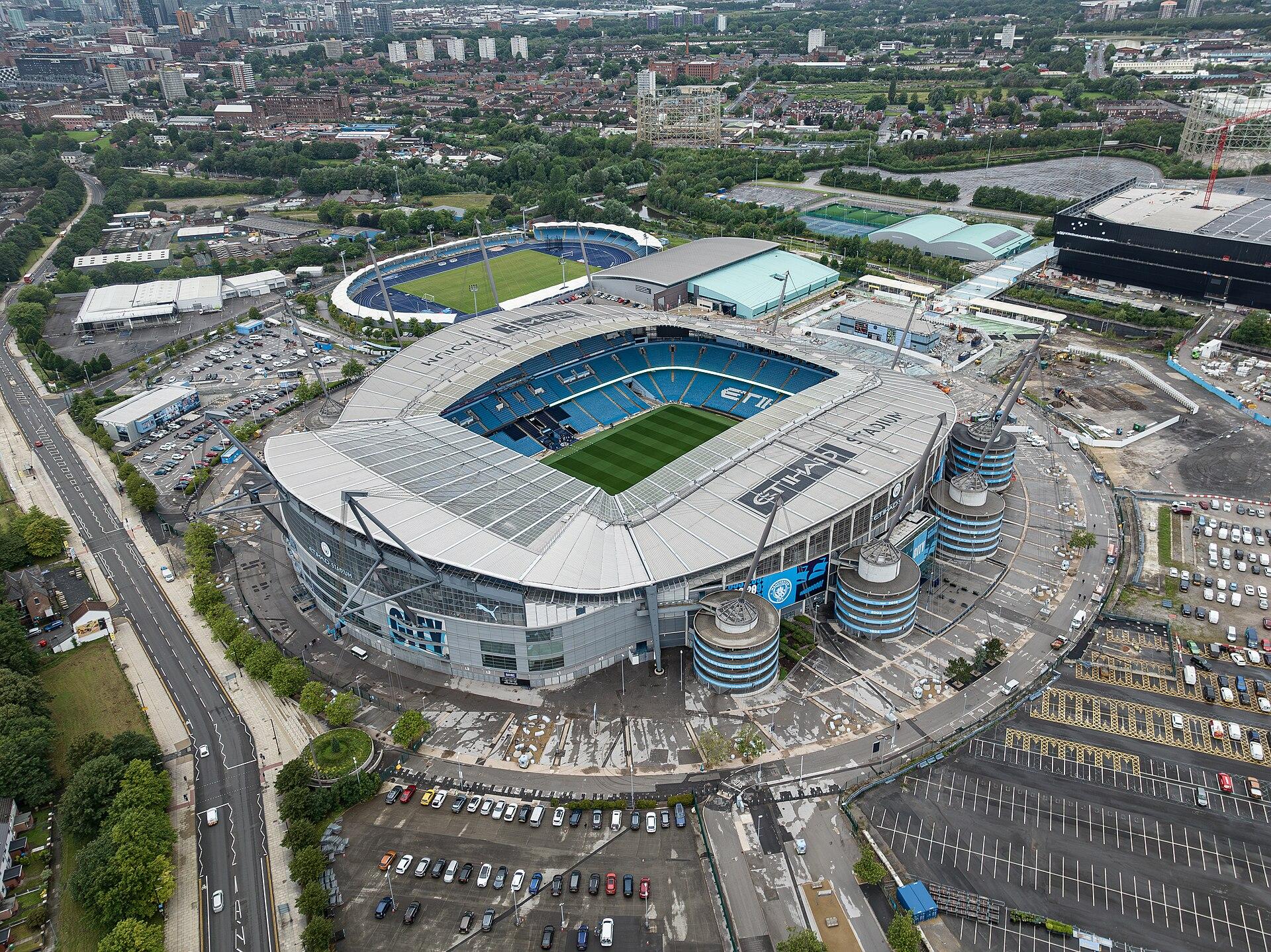
Manchester City, one of the Premier League’s most successful clubs with six league titles in the past decade, has reportedly been found guilty of 114 of 115 charges for breaching Premier League financial rules between 2009 and 2018. An independent commission found that City disguised £830 million in owner funding as sponsorship revenue, allowing the club to circumvent financial restrictions.
Sheikh Mansour, a member of Abu Dhabi’s ruling family, has owned the club since 2008 through his private investment company, the Abu Dhabi United Group. The club has appealed the verdict and is expected to argue that the disputed funding came from the Abu Dhabi government rather than its owners. However, in 2015, Etihad Airways informed the US government that the airline paid for the sponsorship independently.
This is not the first time City has had financial controversies. In February 2020, UEFA banned the club from European competitions for two years and fined it €30 million. However, five months later the Court of Arbitration for Sport (CAS) overturned the ban, ruling that some allegations were unproven and others too old to prosecute under UEFA’s rules.
This goes beyond soccer, as it raises questions about how sponsorship deals are valued across all sports and whether a deal between two companies owned by the same parent can ever be treated as real income. For Manchester City, the highest cost of the verdict might not be the Premier League's punishment. Rival clubs argue that City’s hidden spending helped it win titles and Champions League spots that would otherwise have gone to them, along with the prize money and sponsorship income that come with them. Arsenal, Liverpool, Manchester United and Tottenham have already taken steps to preserve their right to seek damages.
City would not be the first club punished for breaking the Premier League’s financial rules, but no club has ever been punished on this scale. In 2023-24, Nottingham Forest and Everton were found to have committed minor breaches, resulting in a four-point deduction for Forest and a six-point deduction for Everton. Those clubs each broke a single rule over three years, while City’s breaches span nine years and 114 charges. If the verdict stands, City could face a deduction of around 60 to 100 points, which would almost certainly mean relegation. The club’s business depends on Premier League broadcast money, and dropping down would also put Champions League revenue and global sponsorship deals at risk.
None of this will be settled quickly. City’s appeal comes first, and only once that runs its course can rival clubs pursue their own claims. For a business, that kind of uncertainty carries a cost of its own: it makes the club harder to value, unsettles investors, and gives sponsors a reason to hesitate before attaching their name to it. Whatever the final outcome, the financial consequences of City’s conduct between 2009 and 2018 could persist for years.